Best Outsourcing Websites in 2026: A Buyer’s Guide
Remain focused on your core business activities while ensuring your tasks are handled effectively by investing in the services of the best outsourcing platforms.


Most guides to outsourcing websites are written for freelancers looking for gigs. This one is written for the other side of the table: you run a company, you have work that needs doing, and you are deciding where to send it. That decision is less about which platform has the prettiest interface and more about what kind of buyer you are.
We say this as an agency that hires freelancers, competes with platforms, and gets compared to both every week. So yes, we have a horse in this race. We will tell you when the platforms are the right call anyway.
The three ways to outsource, and who each one suits
Marketplaces like Fiverr and Upwork give you reach and price competition. You post, dozens apply, you choose. The hidden cost is your time: screening, testing, and managing strangers is a job in itself. Marketplaces suit one-off tasks with clear specs, a logo, a data-entry batch, a single landing page.
Direct freelancers cut out the platform fee and build real working relationships. The catch is capacity. One person gets sick, goes on holiday, or takes a better client, and your pipeline stops. Direct hiring suits steady, well-defined work where one specialist is enough.
Agencies cost more per hour and exist for the cases where the work needs judgment, continuity, or accountability that a marketplace cannot enforce. If a compliance mistake in your content costs you a license, the cheapest bid stops looking cheap.
The big outsourcing platforms, reviewed for buyers
Upwork
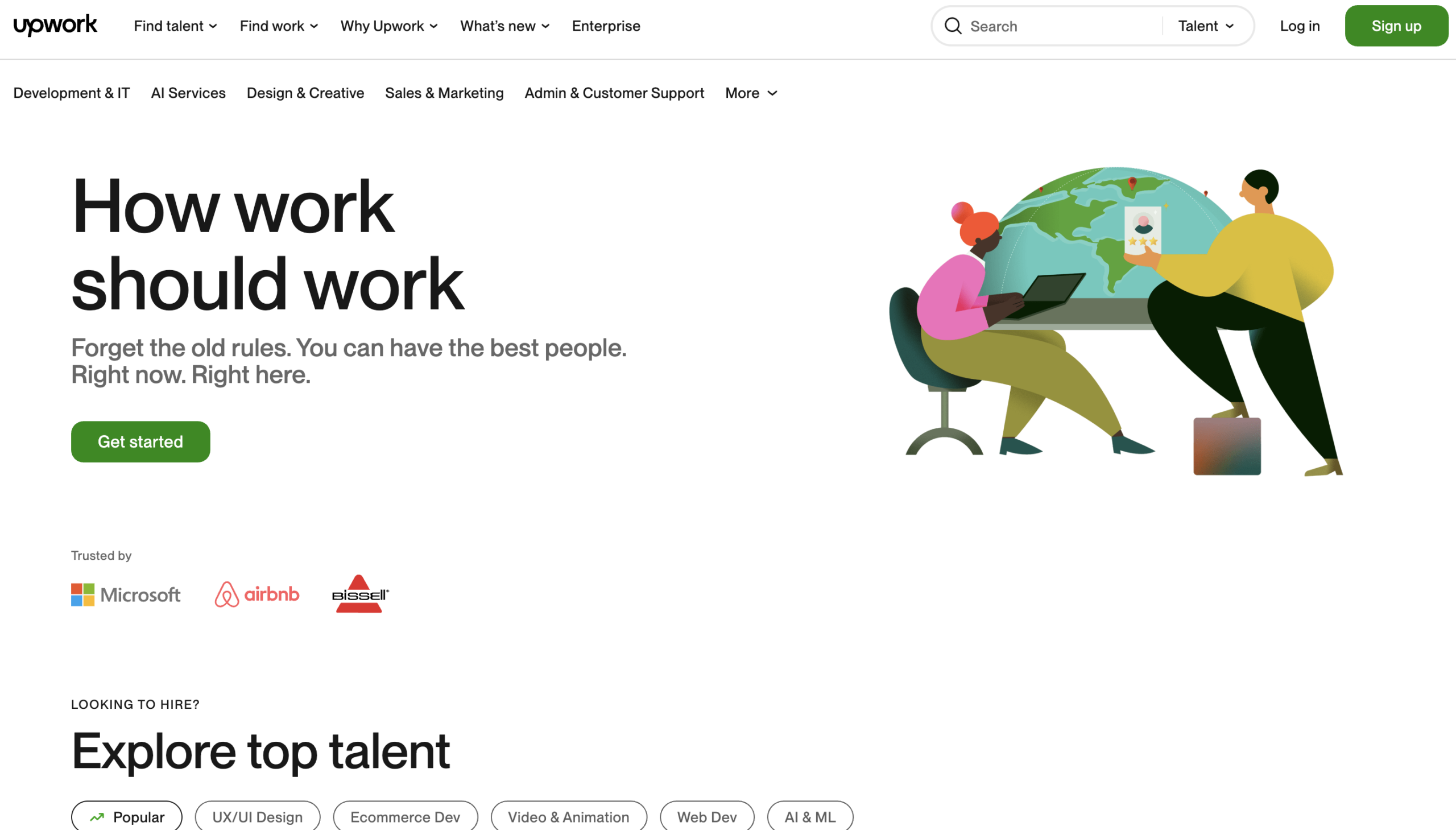
The default for professional services. Strong filtering, work history you can actually read, and escrow that protects both sides. Expect to pay a marketplace fee on top of the freelancer’s rate, and expect the best freelancers to be booked. Upwork rewards buyers who write precise briefs. Vague briefs attract vague bids.
Fiverr
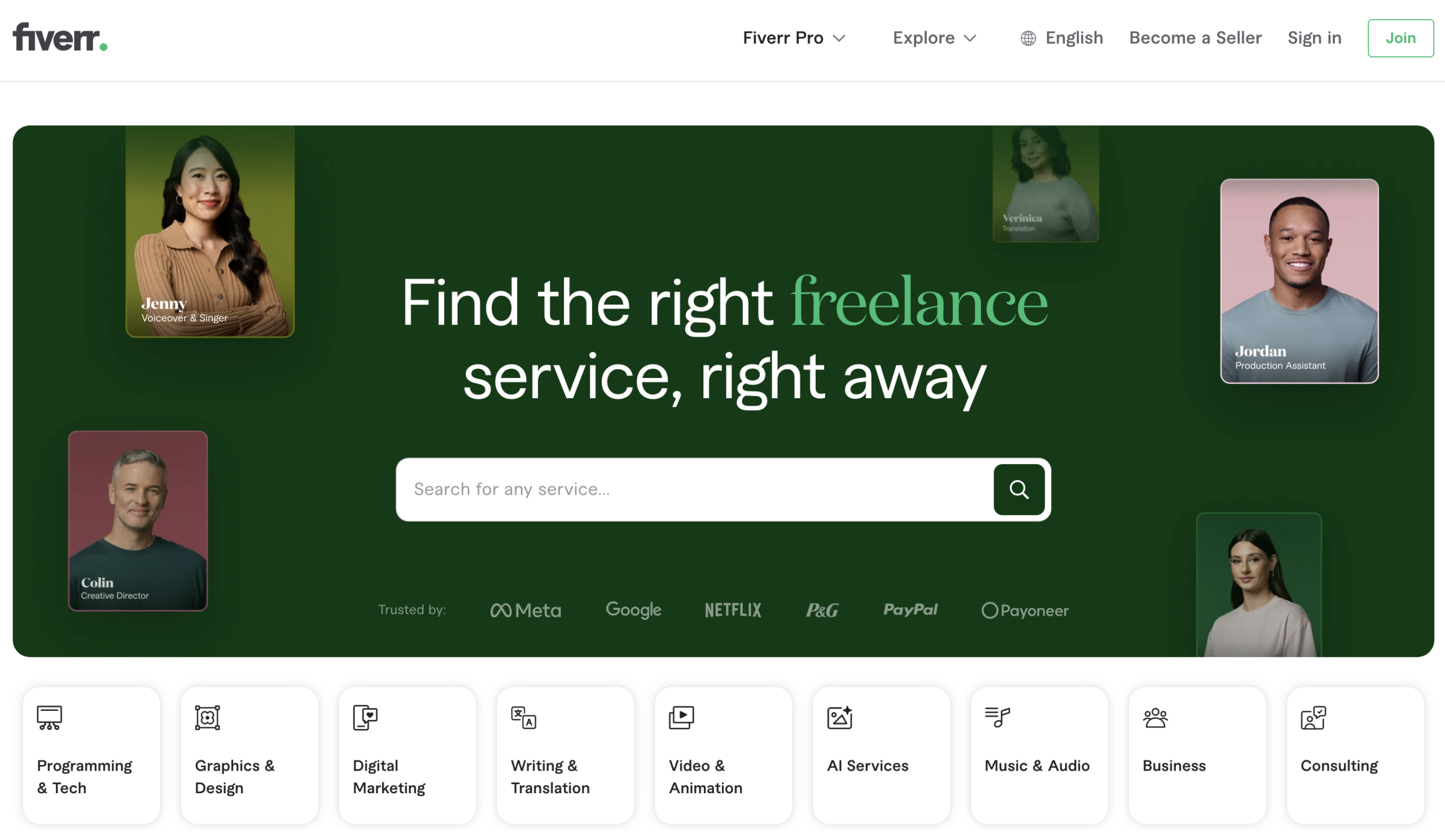
Productized gigs at fixed prices. Fast and cheap for small, repeatable tasks. The format works against complex projects: when the work does not fit a gig description, scope arguments follow. Use it for deliverables you could explain in two sentences.
Freelancer.com
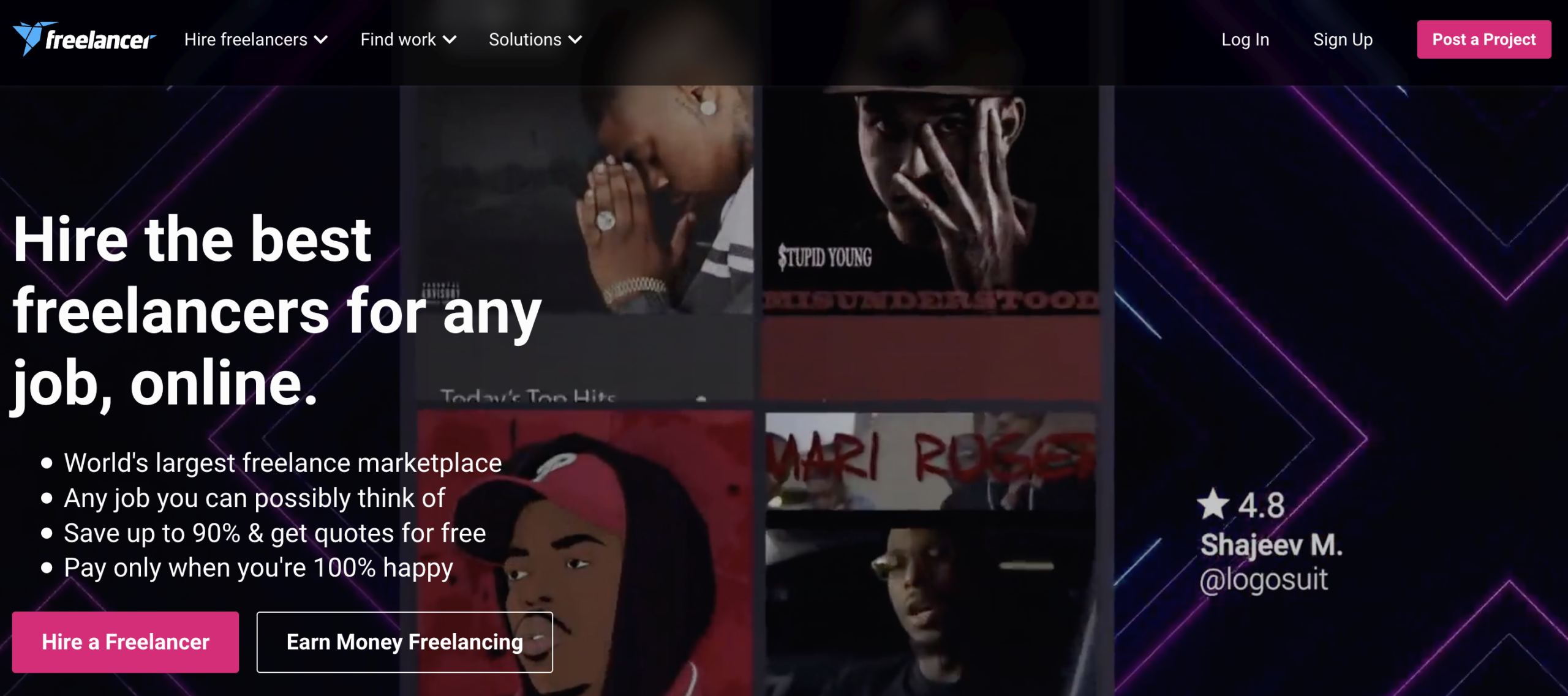
Huge volume, aggressive bidding. Prices run low and so does the average bid quality, which shifts the screening burden onto you. Workable if you have time to filter hard and test before committing.
Guru
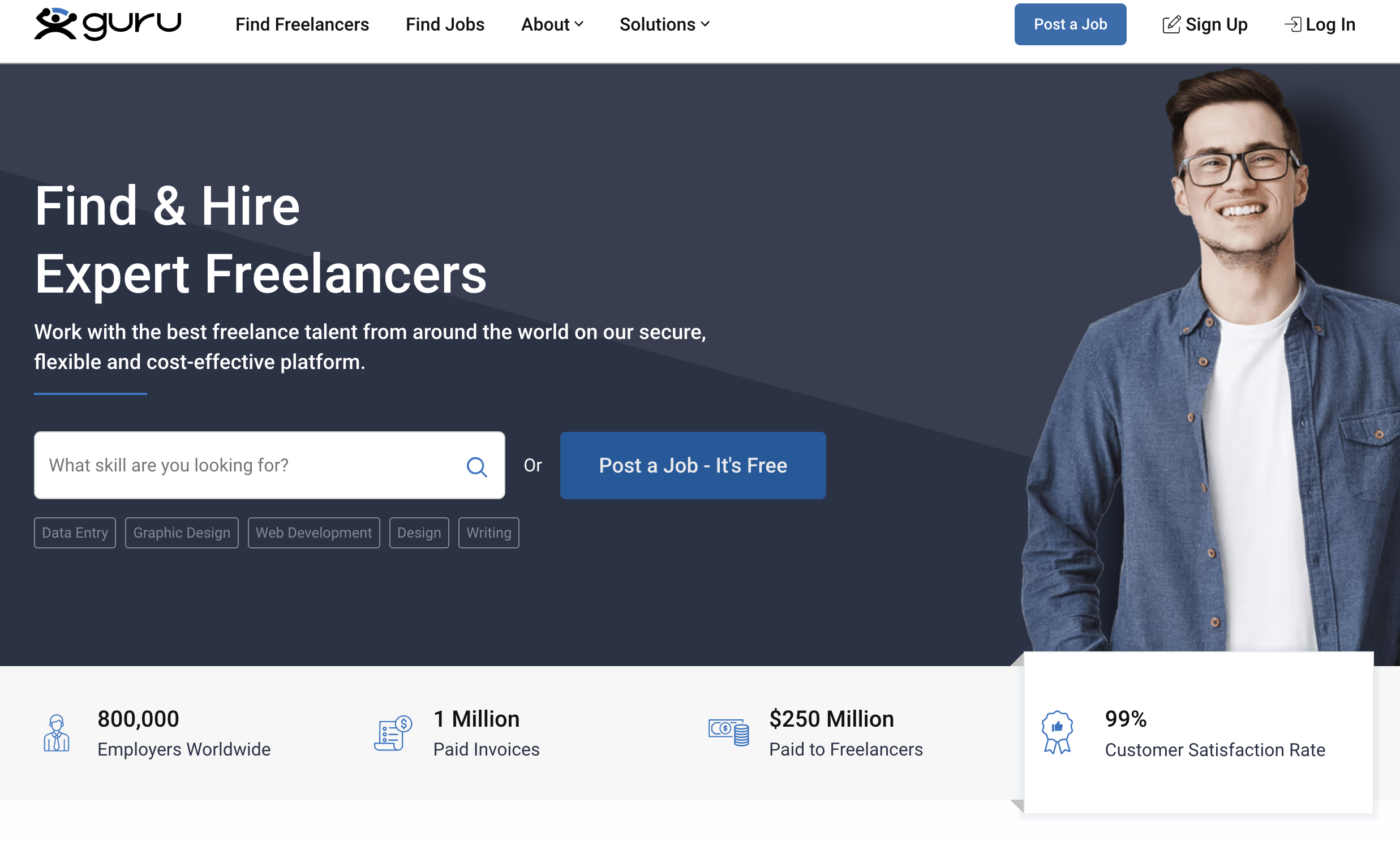
Smaller pool, lower fees, and a workroom setup that suits ongoing engagements better than one-off gigs. Less choice than Upwork, less noise than Freelancer.com. A reasonable middle option for recurring technical or administrative work.
How to vet anyone before you send money
- Ask for work in your industry, not a general portfolio. A writer with ten fintech samples beats a writer with a hundred lifestyle posts, every time.
- Run a small paid test. One article, one design, one sprint. Never test for free, and never start with the big project.
- Check who actually does the work. Agencies and top-rated sellers both subcontract. Ask directly, and ask who reviews the work before you see it.
- Agree on revisions in writing before the first deliverable. Most outsourcing disputes are revision disputes.
- Ask what happens when they are unavailable. A real answer names a backup person or process. “That won’t happen” is not an answer.
What it actually costs
Rates vary too much by region and skill to promise numbers, but the structure is stable. Marketplaces add a buyer or seller fee to every invoice. Direct freelancers charge more per hour than marketplace bidders and less than agencies, with no fee on top. Agencies price the outcome, which includes management, editing, and a person to call when something breaks.
The comparison that matters is not hourly rate. It is cost per usable deliverable. A cheap draft you rewrite twice costs more than an expensive one you publish as delivered.
Red flags, learned the hard way
- Portfolios with no live links you can verify
- Prices far below the market for your industry. Someone is paying the difference, and it is usually quality
- Instant yes to every requirement without a single question back
- Reluctance to do a small paid test
- In regulated niches: no mention of compliance at all. If you work in gambling, finance, or health and the provider never asks about your jurisdiction, walk away
When to skip the platforms
Platforms optimize for matching, not for outcomes. If your work is ongoing, sits in a regulated industry, or feeds a channel where mistakes are expensive, the screening and management you would do yourself is exactly what an agency sells. That is the model we run at HIREQUARTERS for content and SEO in iGaming, fintech, crypto, and cybersecurity. If your work fits a marketplace, use a marketplace. If it stopped fitting a while ago, that is what we are for.
FAQ
Which industries outsource the most?
IT and software lead, followed by marketing and content, customer support, and accounting. Content is often the first thing companies outsource because the output is easy to evaluate and the need never stops.
What is the biggest problem with outsourcing?
Management overhead that nobody budgets for. The work gets cheaper, but somebody in your company still has to brief, review, and chase it. Underestimating that job is how outsourcing “fails”.
Is it safe to outsource work in a regulated industry?
Yes, if the provider knows the rules of your jurisdiction and can show it. Ask for examples from your industry and a named person responsible for compliance review. If neither exists, keep the work in-house or find a specialist.

Need help implementing these strategies? Contact HIREQUARTERS for a free consultation



8 Ways to Create a Fintech Content Marketing Strategy for Your Business
Learn about the best ways to create a solid fintech content marketing strategy for your business.


How to Create Fashion Content in 2025: 13 Tips and Tricks
Check out our tips and tricks to learn how to create fashion content and attract significant web traffic for your online store.


How to Create Quality iGaming Content in 2025: Tips and Tricks
Want to learn how to create iGaming content in 2025 to increase traffic to your website? Check out our guide for the latest trends in the industry.